
Introduction
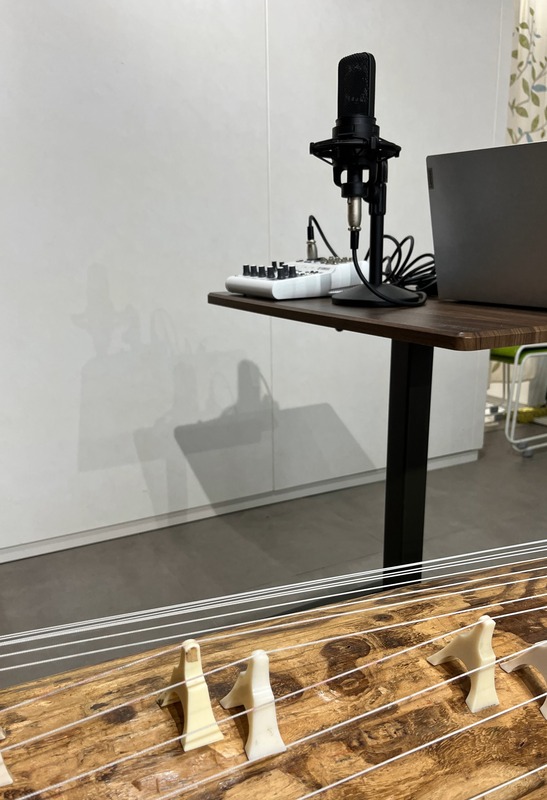 Are you still relying on your smartphone’s voice memo to record your Koto practice? While convenient, a phone cannot fully capture the shimmering highs of the strings or the deep, woody resonance of the instrument. To truly preserve the delicate nuances of a Koto performance, a high-quality microphone is essential. Today, I want to introduce a favorite among professionals and home-recording enthusiasts alike: the Audio-Technica AT4040.
Why the AT4040 is Perfect for the Koto
The AT4040 is a “workhorse” large-diaphragm condenser mic. Here is why it pairs so beautifully with the Koto:
-
Transparent Sound: It offers a flat, natural frequency response. It doesn’t “color” the sound, meaning the natural warmth of the Paulownia wood comes through exactly as it is.
-
Wide Dynamic Range: From the sharp, percussive attack of the tsume (picks) to the fading trail of a vibrating string, the AT4040 handles varying volumes without distortion.
-
Professional Reliability: It provides a studio-grade sound at a price point that is accessible for teachers and serious students looking for their first “real” microphone.
Pro Tips: Setting Up Your Koto Recording
How you position the mic is just as important as the mic itself.
1. Distance and Placement
-
The “Sweet Spot”: Place the microphone about 60cm to 1 meter (2-3 feet) away from the Koto.
-
Angle: Aim it toward the Ryukaku (the bridge on the right side) from slightly above.
-
Avoid “Close-Miking”: If the mic is too close, the clicking sound of the picks will become too loud and harsh. Giving the mic some space allows the sound to “bloom” and incorporate the natural resonance of the room.
2. Using the Low-Cut Filter
The AT4040 features a low-cut (high-pass) switch. If you are recording at home and notice a low hum from an air conditioner or distant traffic, engage this switch to instantly clean up your audio and make the Koto’s melody stand out.
3. Acoustic Environment
Koto music thrives on “space.” If your room has too much echo (like a room with bare wooden floors), try placing a rug under the Koto or hanging some soft blankets nearby. This reduces “boxiness” and results in a more professional, focused recording.
Conclusion
The Audio-Technica AT4040 is more than just a piece of equipment; it is a bridge that connects your live performance to your audience’s ears. Listening back to a high-quality recording of yourself is also one of the fastest ways to improve your technique.
Why not try capturing your next performance with a dedicated microphone? You might discover subtle beauties in your playing that you never noticed before.
[Message from the School] At our studio, we don’t just teach technique; we also offer advice on how to record your music and improve your sound for online lessons. Let’s explore the joy of “good sound” together!