
What Is a Japan Cultural Activities Visa?
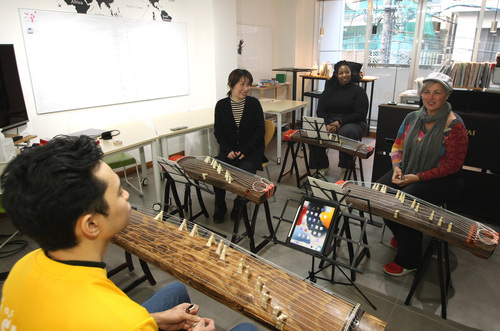 Japan is famous for its rich traditional culture, including tea ceremony, calligraphy, kimono, Japanese music, martial arts, and many other cultural arts that have been passed down for centuries.
For people who wish to come to Japan not as tourists, but specifically to study and deepen their understanding of traditional Japanese culture, Japan offers a special residence status called the Cultural Activities Visa.
What Is a Cultural Activities Visa?
A Cultural Activities Visa allows foreign nationals to stay in Japan for the purpose of studying Japanese culture, arts, or academic subjects under the guidance of qualified instructors.
Unlike a tourist visa, this visa is intended for individuals who wish to engage in structured learning and cultural training over an extended period.
Examples of activities that may qualify include:
-
1. Traditional Japanese music (Koto, Shamisen, Shakuhachi, etc.)
-
2. Tea ceremony (Sado)
-
3. Calligraphy (Shodo)
-
4. Flower arrangement (Ikebana)
-
5. Traditional Japanese dance
-
6. Martial arts
-
7. Japanese cultural research and study
Who Is Eligible?
Applicants must demonstrate that they will participate in organized cultural training under qualified instructors or institutions in Japan.
In most cases, the applicant must provide:
-
1. A detailed study plan
-
2. Information about the instructor or organization
-
3. Documentation showing the cultural nature of the activity
-
4. Evidence of financial support during their stay
The Japanese immigration authorities review each application individually.
Studying Traditional Japanese Music in Japan
One popular use of the Cultural Activities Visa is the study of traditional Japanese musical instruments.
The Koto, Japan’s iconic 13-string instrument, has been played for more than 1,300 years and remains one of the most representative instruments of Japanese culture.
Students can deepen their understanding of:
-
1. Traditional performance techniques
-
2. Japanese musical aesthetics
-
3. Historical repertoire
-
4. Contemporary Koto music
-
5. Cultural significance of Japanese music
Through regular lessons and guided practice, students can experience Japanese culture in a way that goes far beyond tourism.
Why Choose Japan for Cultural Study?
Learning Japanese culture in Japan provides opportunities that cannot be replicated elsewhere.
Students can:
-
1. Learn directly from experienced instructors
-
2. Participate in cultural events and performances
-
3. Visit historical sites related to their studies
-
4. Experience Japanese culture in daily life
-
5. Develop a deeper understanding of Japanese traditions
Many students find that cultural study helps them build lasting connections with Japan and its people.
Cultural Activities at Koto Workshop
At Koto Workshop in Hiroshima, we introduce visitors from around the world to the beauty of traditional Japanese culture through hands-on experiences and educational programs.
For those interested in studying traditional Japanese music more seriously, we offer Koto instruction led by qualified instructors with teacher licensed and advanced credentials from the Sawai Koto Institute.
Our goal is to help international students experience authentic Japanese culture while preserving and sharing these traditions with future generations.
Interested in Learning More?
If you are considering studying traditional Japanese culture in Japan and would like to learn more about Koto lessons or Cultural Activities Visa support, please feel free to contact us.
We would be happy to discuss your goals and help you explore the possibilities of cultural study in Hiroshima.